
Living in an urban apartment does not mean forfeiting the sensory grounding of fresh soil, blooming botanicals, and hand-plucked culinary herbs. With deliberate spatial planning and lightweight container architecture, even the most compact concrete balcony can be transformed into a thriving private urban oasis suspended above the bustling city streets.
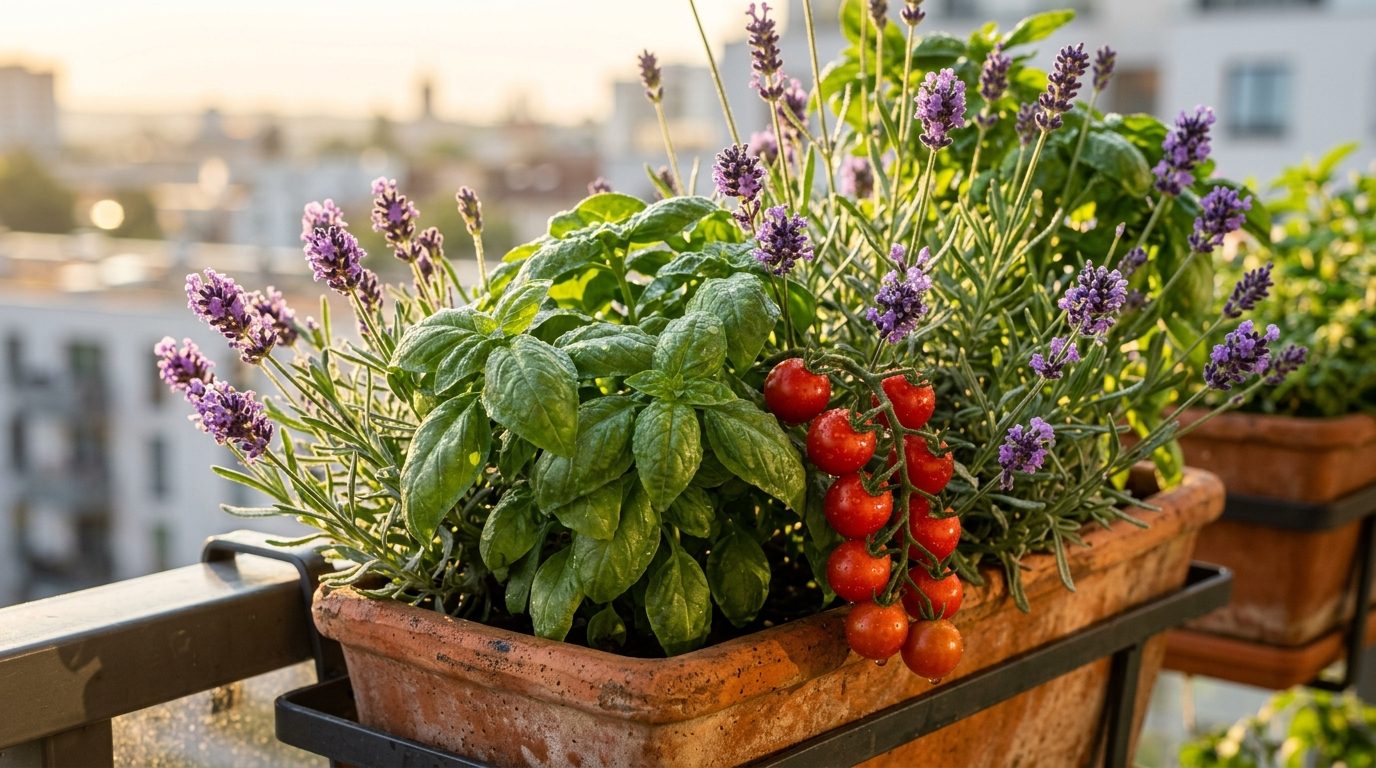
Small-space outdoor gardening is an exercise in vertical efficiency and microclimate management. Just as an intentional layout expands the utility of a compact living room, curating tiered planter heights and hardy botanical species creates lush visual depth. Whether you are pairing homegrown cuttings from water propagation or staging architectural container gardens, these proven balcony design strategies unlock maximum greenery in minimal square footage.
Why You’ll Love Balcony Gardening
Transforming your modest outdoor terrace into a living garden retreat offers unmatched lifestyle and design perks:
- Instant Spatial Extension: Seamlessly dissolves the boundary between indoors and outdoors, making small apartment floor plans feel open and expansive.
- Culinary Freshness at Hand: Pluck fresh sweet basil, rosemary, and trailing cherry tomatoes seconds before finishing your evening meals.
- Microclimate Wind & Noise Buffer: Dense vertical greenery absorbs harsh urban street acoustics while moderating afternoon wind gusts.
- Low-Maintenance High Joy: Container ecosystems are immune to invasive garden weeds and burrowing pests, keeping plant care effortless.
Essential Balcony Gardening Gear & Smart Swaps
Gardening several stories up requires specific lightweight materials and drainage solutions to safeguard both your plants and building regulations.

- Fiberclay & Terracotta Vessels: Swap heavy solid stone or poured concrete for lightweight fiberclay or handcrafted aged terracotta planters that reduce structural load while maintaining an organic aesthetic.
- Narrow Long-Spout Watering Can: A slender brass or copper spout directs water straight to soil roots without splashing foliage or dripping over balcony edges.
- Lightweight Soilless Potting Mix: Never use heavy topsoil from garden beds. Choose airy peat or coconut coir blends enriched with perlite and pumice for optimal drainage and weight control.
- Deep Saucers with Drainage Risers: Prevents runoff water from staining your deck tiles or seeping down onto lower neighboring balconies.
Step-by-Step Balcony Garden Setup Walkthrough
Follow this structural sequence to establish a thriving, storm-resilient small outdoor sanctuary:
1. Assess Sun Exposure & Wind: Track hours of direct light. South- and west-facing balconies handle sun-loving herbs and dwarf fruit varieties; north- and east-facing balconies excel with ferns, hostas, and begonias.
2. Anchor Heavy Pots Low: Place your largest, heaviest containers along structural perimeter walls or corners over main load-bearing support beams.

3. Build Upward Vertically: Install a freestanding ladder shelf, cedar trellis, or secure railing saddle planters to lift foliage off floorboards and expand green volume tenfold.
4. Add Sensory Finishing Touches: Lay interlocking acacia or teak wood floor tiles over raw concrete and drape warm weatherproof fairy lights for enchanting evening ambiance.
3 Designer Secrets for Small Balcony Sanctuaries
1. The “Rule of Odd Heights”: Group your planters in clusters of three with varying elevations—one tall floor pot, one medium bench container, and one low bowl. This creates natural botanical depth instead of a cluttered straight line.
2. Mulch Heavily to Foil Balcony Winds: High-altitude wind corridors dry out container soil at twice the speed of ground gardens. Top every pot with a 1-inch layer of pine bark chips or pea gravel to lock in crucial root moisture.
3. Companion Planting in Railing Boxes: Pair trailing nasturtiums or creeping thyme alongside upright rosemary and cherry tomatoes. The trailing greens shade surface soil while trailing blooms soften harsh balcony railings.
Creating the Ultimate Balcony Garden Retreat
Once your containers are potted and arranged, integrate thoughtful outdoor living accents to turn your plant setup into a functional open-air sanctuary.

- Foldable Bistro Furniture: Slender metal or wooden cafe chairs can easily fold flat against the wall when additional gardening or repotting room is needed.
- Continuous Seasonal Color: Rotate cool-season pansies and potted bulbs (see our guide on planting spring bulbs in containers) into empty spaces for year-round vitality.
- Solar-Powered Warm Illumination: Use solar micro-lanterns or battery-operated outdoor fairy lights to illuminate leafy silhouettes without requiring exterior electrical outlets.
Frequently Asked Questions
How do I prevent watering runoff onto downstairs neighbors?
Always place deep saucers beneath every planter and line the bottom with a 1-inch drainage sponge. Water gradually in the early morning so moisture is absorbed fully by the soil before saturating the base.
What are the best high-yield edible plants for small balconies?
Compact bush cherry tomatoes (such as ‘Tiny Tim’), perennial rosemary, sweet basil, cut-and-come-again butterhead lettuce, and alpine strawberries produce substantial harvests in modest 8- to 10-inch containers.
Can balcony plants survive harsh winter freezes?
Container roots lack the insulating ground warmth of landscape beds. Move tender perennials indoors, cluster remaining pots tightly against heated building walls, and wrap container exteriors in burlap or bubble insulation during sub-freezing spells.
Pin This Balcony Garden Guide for Later
Dreaming of your own urban green oasis? Save this small-space balcony garden guide to your Pinterest board for quick access when spring planting begins!
Followed your tutorial on Sunday and it turned out so good!! I took your advice on letting the adhesive cure fully overnight before moving it inside, and the structural hold is rock solid. Such an approachable home project!
Patience on the adhesive cure is truly the secret to making DIY furniture feel solid and lasting. So proud of your build—enjoy the new centerpiece!