
Planting spring-blooming bulbs in autumn is one of the most rewarding gardening investments you can make, but when garden bed space is scarce, container gardening unlocks breathtaking floral density. Through the Dutch horticultural technique known as “bulb lasagna”—stacking early, mid, and late-spring bulbs in staggered vertical tiers within a single pot—you can orchestrate up to ten consecutive weeks of blooming tulips, daffodils, and fragrant hyacinths on a modest patio or front porch.
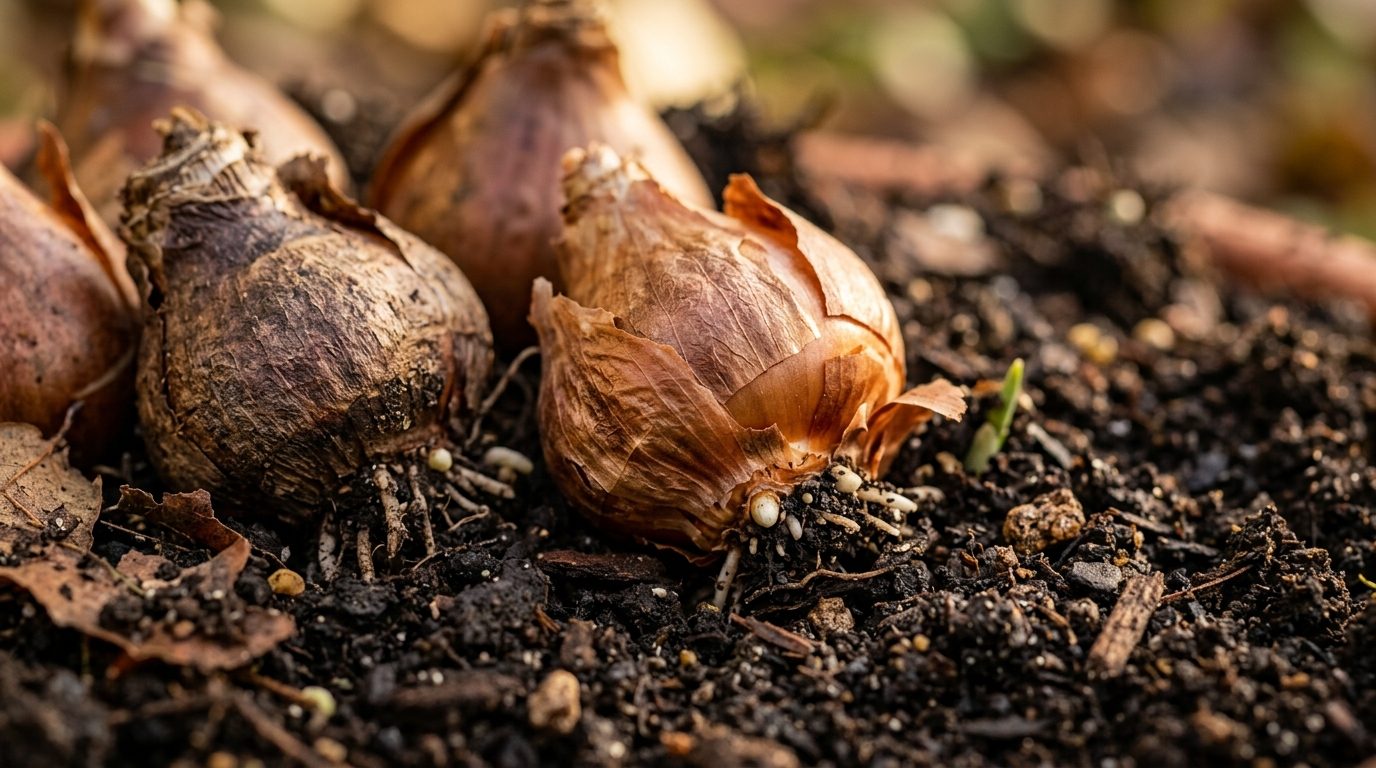
While our guide on fall container garden ideas for the front porch focuses on immediate autumn color with kales and chrysanthemums, container bulb planting is an investment in your home’s future awakening. Staggering your varieties beneath the soil line transforms a standard planter into a botanical fireworks display that erupts continuously from March through late May.
Why You’ll Love the Bulb Lasagna Method
- Continuous 10-Week Bloom Sequence: Staggers bloom times vertically so as early crocuses fade, mid-spring daffodils rise to mask dying foliage, followed by towering Darwin hybrid tulips.
- Maximum Floral Density: Accommodates 30 to 45 individual bulbs in a 16-inch container—nearly four times the spacing density possible in an in-ground border.
- Rodent & Pest Protection: Potted bulbs are far easier to shield from burrowing squirrels, voles, and chipmunks than underground flowerbeds.
- Instant Spring Curb Appeal: Mobile containers allow you to position peak blooming displays right beside your front door or exterior walkway when color is needed most.
Supplies, Soil Mix & Bulb Selection

Success starts with choosing firm, blemish-free bulbs and an ultra-gritty growing medium that drains excess winter moisture before ice can cause rot:
- The Container: A deep planter measuring at least 14 to 18 inches in diameter and 14 inches deep. Ensure it has at least one large unobstructed drainage hole. Glazed ceramic or heavy composite pots resist freeze-thaw cracking better than thin plastic.
- The Gritty Soil Formula: Mix 60% high-quality potting mix, 25% organic aged compost, and 15% coarse horticultural perlite or horticultural grit. Bulbs abhor stagnant water during winter dormancy.
- Root Enhancer: 2 tablespoons of organic bone meal or rock phosphate worked into the bottom soil layer to promote robust basal root initiation.
- Layer 1 (Bottom – Late Bloomers): 10–12 late-spring Darwin hybrid or double peony tulips.
- Layer 2 (Middle – Mid Bloomers): 8–10 mid-spring daffodils (Narcissus) or fragrant Dutch hyacinths.
- Layer 3 (Top – Early Bloomers): 15–20 early-spring grape hyacinths (Muscari armeniacum), Siberian squill, or snow crocuses.
Step-by-Step Planting Walkthrough
1. Drainage Base & Foundation Soil: Cover the container’s bottom drainage hole with a curved pottery shard or mesh screen to prevent soil loss while allowing free runoff. Fill the bottom with 4 inches of the gritty potting blend and blend in 1 tablespoon of bone meal.
2. Layer 1: Placing the Deepest Bulbs: Arrange your largest, latest-blooming tulip bulbs pointed-end up on the soil surface, spaced 1 inch apart (they should almost touch, but not press against each other or the pot wall). Cover with 2 inches of soil mix.

3. Layer 2: The Mid-Spring Tier: Place your daffodil and hyacinth bulbs in the second tier, staggering them over the gaps between the lower tulip bulbs below. Cover with another 2 inches of soil mix.
4. Layer 3: The Early-Spring Canopy: Scatter your small crocus corms and muscari bulbs across the top layer. Cover with 2 to 3 inches of soil, leaving 1.5 inches of headspace below the pot rim for watering.
5. Initial Drench & Over-Planting: Water the container thoroughly until moisture drains freely from the base. Top the soil with cold-hardy winter violas, pansies, or a 1-inch layer of decorative pine bark mulch to provide immediate autumn curb appeal while the bulbs sleep.
3 Horticultural Secrets for Container Success
1. Respect the Chilling Window: Spring-flowering bulbs require 12 to 14 weeks of temperatures between 35°F and 48°F (2°C to 9°C) to break biochemical dormancy. Keep containers outdoors against an insulated north-facing house wall or in an unheated garage during winter.
2. Guard Against the Freeze-Thaw Cycle: In harsh cold zones (Zone 5 and below), soil in pots freezes solid faster than in-ground beds. Wrap exterior pots in burlap or bubble insulation, or group multiple pots tightly together and mulch around their perimeters with straw.
3. Minimal Winter Watering: Dormant bulbs absorb almost no water during freezing weather. Check the soil once a month; only moisten if the top 3 inches feel completely bone dry to touch. Overwatering dormant containers is the number one cause of bulb rot.
The Finished Planter in the Autumn Garden

When combined with rustic elements like our DIY terracotta accents and seasonal foliage on your porch or patio, these planted vessels ground your exterior space with quiet anticipation throughout the winter season.
Bulb Lasagna Layering Architecture
| Tier Level | Planting Depth | Bulb Varieties | Bloom Window |
|---|---|---|---|
| Tier 1 (Bottom) | 8–10 inches deep | Late Darwin Hybrid Tulips, Double Late Peony Tulips, Alliums | May – Early June |
| Tier 2 (Middle) | 5–6 inches deep | Mid-Season Daffodils (Narcissus), Dutch Fragrant Hyacinths | April |
| Tier 3 (Top) | 2–3 inches deep | Grape Hyacinths (Muscari), Species Snow Crocuses, Scilla | March – Early April |
| Surface Canopy | Top 0–2 inches | Winter Violas, Trailing Ivy, Ornamental Cedar Bark Mulch | October – All Winter |
Frequently Asked Questions
Do bulbs planted underneath each other have trouble growing through the top bulbs?
No. Emerging shoots are naturally phototropic; they sense upward light and moisture gradients and easily maneuver around dormant bulbs above them without any impediment.
Can I reuse the bulbs next year after they finish blooming in containers?
Daffodils and muscari can be lifted after their foliage yellows and replanted into permanent garden borders to naturalize. Forced container tulips expend immense energy in tight potting conditions; for reliable exhibition-quality blooms the following spring, treat container tulips as annuals and plant fresh stock each autumn.
How do I stop squirrels from digging up container bulbs?
Cut a circle of 1/2-inch galvanized wire mesh (hardware cloth) to fit the inside diameter of your pot and lay it directly over your topmost soil layer before adding mulch or pansies. The shoots will grow right through the wire squares while preventing squirrels from digging.
Looking for more small-space gardening inspiration? Explore our tested guides on apartment balcony garden ideas for small outdoor spaces, or age your planters using our DIY aged moss terracotta pots tutorial to give your spring bulb containers a timeless greenhouse look.
Pin This Spring Bulb Container Guide for Later
Ready to plant your spring flower display? Save this bulb lasagna tutorial to your gardening or patio planter boards on Pinterest so you have these depth tiers and timing formulas ready when planting your autumn pots!
Leave a Comment