
There is an intentional stillness to preparing a bowl of matcha by hand that modern kitchen gadgets simply cannot replicate. In a world full of rapid push-button appliances and on-the-go travel mugs, the centuries-old ritual of scooping vibrant green tea powder, sifting out microscopic clumps, and rhythmically beating hot water with a split bamboo whisk offers a five-minute sanctuary of quiet focus. Whisked properly, ceremonial green tea transforms from a simple botanical powder into a creamy, jade-hued elixir capped with a velvety layer of micro-foam that tastes smooth, vegetal, and naturally sweet.
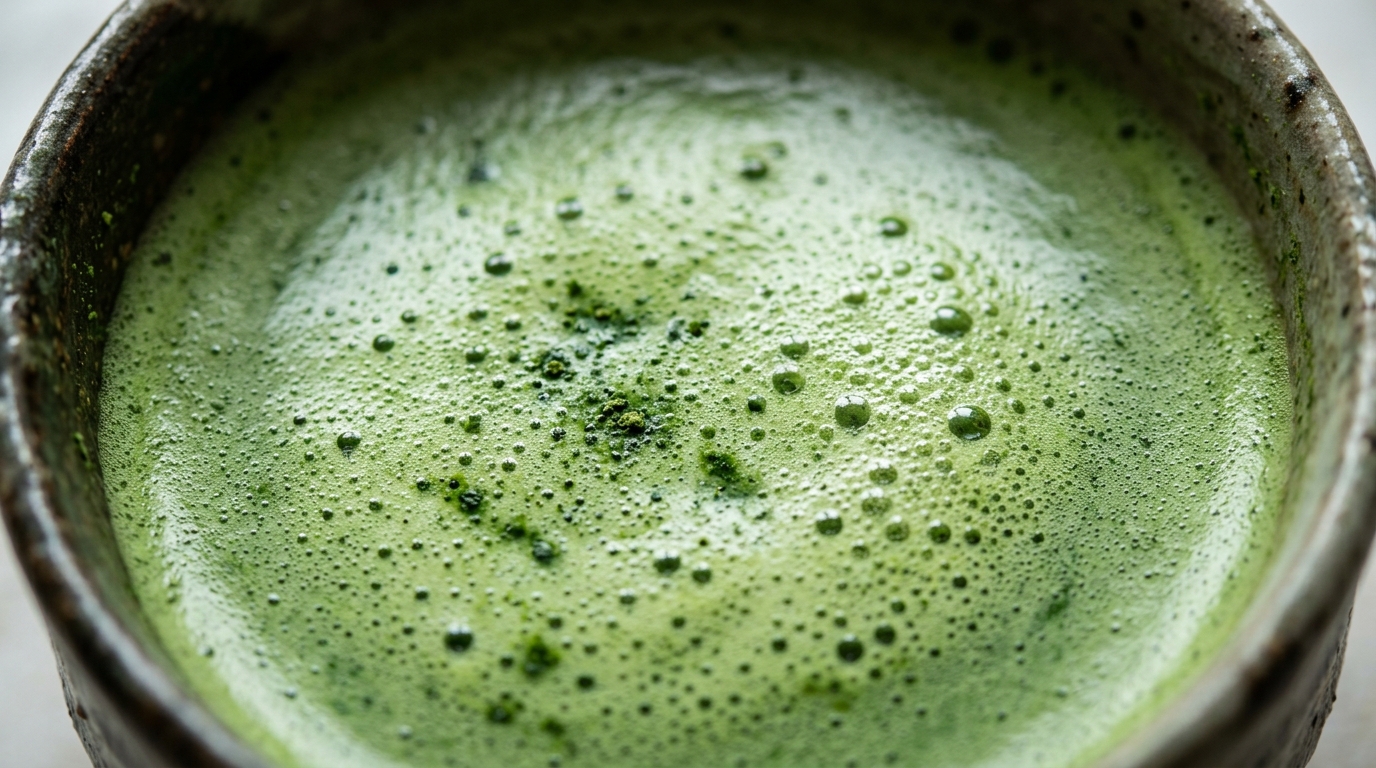
Many home tea enthusiasts encounter bitter, gritty matcha on their first few attempts simply because of boiling water or skipping the sifting stage. Unlike steeped black or herbal teas, matcha is a suspension of whole, finely stone-ground shade-grown tea leaves. Preparing it requires gentle water temperatures and decisive wrist mechanics. Once you master the subtle tactile feedback of the bamboo whisk, this mindful morning practice will quickly become the most grounded anchor of your daily routine. Here is our complete guide to whisking traditional matcha at home.
Why Whisking Matcha by Hand Beats Instant Frothers
Electric handheld battery frothers are ubiquitous for morning coffee, but when it comes to whole green tea leaves, traditional bamboo tools serve an irreplaceable physical purpose:
- Micro-Bubble Aeration: A traditional Japanese bamboo whisk (chasen) is carved from a single piece of seasoned bamboo, featuring 80 to 100 flexible, curled tines. As these delicate curved prongs slice through the tea liquid, they break surface tension and introduce millions of microscopic air pockets. This produces a dense, pillowy crema rather than the large, fragile bubbles created by high-speed motorized spinners.
- Protecting Ceramic Glazes: Motorized metal spinning coils scrape against the delicate handmade glaze of ceramic tea bowls (chawan). Pliant bamboo prongs glide softly across the curved bottom of the bowl without leaving metallic scratch marks or chipping artisan pottery.
- A Mindful Tactile Rhythm: The deliberate physical rhythm of hand whisking forces you to slow down, notice the warm rising steam, and engage all five senses before starting your workday. Pair this mindful start with our cozy fall morning routine ideas.
Essential Tools: The Chasen Bamboo Whisk, Chawan & Sifter
You do not need an elaborate tea room setup to make authentic matcha at your kitchen counter. Investing in just four foundational, durable tools makes all the difference in consistency and flavor:
- Ceremonial Grade Matcha: Choose vibrant, neon-emerald green matcha sourced from first-harvest shade-grown spring leaves (typically from Uji or Kagoshima). Avoid dull olive or brownish “culinary grade” powders for drinking neat, as they carry harsh bitterness meant for baking.
- The Chasen (Bamboo Whisk): Look for an 80-tine or 100-tine whisk carved from natural white or black bamboo. Higher tine counts make it significantly easier for beginners to achieve a rich head of froth quickly.
- The Chawan (Ceramic Matcha Bowl): A wide, flat-bottomed stoneware bowl provides sufficient clearance for your whisk to travel in rapid lateral strokes without splashing over the sides.
- Fine Mesh Stainless Steel Sifter: Electrostatic charges cause finely milled green tea particles to clump together naturally in the tin. Sifting takes ten seconds and is the single most important step for eliminating gritty lumps at the bottom of your cup. Compare this with our autumn herbal tea brewing guide.

Water Temperature & Ratios: Avoiding Bitter Green Tea
The cardinal error in preparing matcha is using boiling water directly from a kettle. Boiling water scorches the delicate tea polyphenols instantly, turning what should be a sweet, savory umami cup into an unpalatably harsh, astringent brew:
Standard Morning Serving Balance
- Matcha Powder: 2 grams (approximately 2 traditional bamboo scoops or 1 level teaspoon)
- Filtered Water: 60 to 70 ml (about 2 to 2.5 oz)
- Ideal Temperature (165°F to 175°F / 74°C to 80°C): If you do not have a variable-temperature kettle, bring water to a rolling boil and let it sit uncovered on your counter for 5 to 7 minutes before pouring. Pouring hot water into a cool ceramic pitcher before adding it to the bowl drops the temperature perfectly.

The Step-by-Step ‘W’ Motion Whisking Technique
Follow these four simple stages to create a silky, lump-free bowl of emerald green tea with a rich, uniform foam:
1. Warm the Chawan and Soften the Whisk: Pour 1/4 cup of warm tap water into your ceramic tea bowl. Swirl it around to warm the clay, then rest the tips of your bamboo whisk in the water for 60 seconds. This pre-soak softens the delicate curved tines, preventing brittle snapping. Discard the warming water and wipe the bowl completely dry with a clean linen cloth.
2. Sift the Tea Powder: Place a small fine-mesh sieve directly over the dry bowl. Measure 2 grams (1 teaspoon) of ceremonial matcha into the sieve. Use your bamboo scoop or the back of a spoon to press the powder through the mesh. It will fall like a vibrant green cloud of powder, completely free of hard pellets.
3. Add Water in Two Additions: Pour just 1 tablespoon (15 ml) of warm water (170°F) over the sifted powder. Using the whisk gently, make slow circular strokes to create a smooth, glossy paste. Once the paste is uniform, pour in the remaining 50 ml of warm water.
4. Whisk in a Rapid ‘W’ Motion (25 to 30 Seconds): Hold the edge of the bowl firmly with your non-dominant hand. Hold the bamboo whisk between your thumb and index finger like a pen. Hover the whisk tines just slightly off the bottom of the bowl—do not scrape the bottom. Using only your wrist (not your forearm or shoulder), whip the liquid back and forth vigorously in a rapid “W” or “M” motion. Within 15 seconds, large bubbles will turn into fine, dense foam. Finish by skimming the very surface in a slow circle to break any remaining large air bubbles, lifting the whisk from the center.

Warm Frothy Milk vs Traditional Usucha: Two Morning Styles
Depending on your morning mood and appetite, you can enjoy matcha in its pure traditional form or as a comforting oat milk morning beverage:
- Traditional Usucha (Thin Tea): The purist method described above, using only hot water and ceremonial green tea. It offers a clean, crisp, grassy note with a naturally sweet aftertaste. It is wonderful alongside morning journaling—try pairing your tea session with our mindful journaling prompts.
- The Mindful Morning Matcha Latte: Whisk 2 grams of matcha with 40 ml of warm water to create a concentrated emerald base. In a small milk frother or saucepan, gently warm 150 ml (about 5 oz) of creamy oat milk or whole milk to 140°F. Pour the warm milk over your matcha base, spooning silky white foam over the vibrant green surface. Add a single teaspoon of raw honey or pure maple syrup if you enjoy a touch of warmth. For another grounded morning beverage, explore our slow French press coffee guide.
Caring for Your Bamboo Whisk (Reshaping & Storage)
How do I clean my bamboo whisk after use?
Never use dish soap or wash a bamboo whisk in the dishwasher. Immediately after pouring your tea, fill your empty tea bowl with warm clean water. Whisk the clean water for ten seconds to rinse away all green residue from the tines. Shake off excess moisture gently.
How do I prevent the bamboo tines from curling straight or developing mold?
Always air-dry your whisk standing upright on a dedicated ceramic whisk holder (kusenaoshi). The bulbous ceramic shape keeps the bamboo tines fanned outward in their proper curved shape as the wood dries. Never store a damp whisk upside down on its handle or sealed inside its original plastic packaging, which traps moisture and invites mold.
How long does a tin of matcha stay fresh once opened?
Green tea powder oxidizes rapidly when exposed to air, heat, and light. Store your sealed tin in the refrigerator or a cool, dark kitchen pantry cupboard. Once opened, aim to enjoy your matcha within four to six weeks while the color remains brilliant emerald and the aroma stays fresh and sweet.
Save This Mindful Matcha Ritual to Pinterest
Traditional Matcha Whisking Morning Ritual
Save this peaceful morning tea guide to your Pinterest Healthy Habits or Mindful Living board. Learn the correct water temperatures, bamboo whisking mechanics, and sifting secrets for rich, velvety green tea at home.
Leave a Comment