
When dry autumn winds arrive and indoor heaters click on, few evening comforts match sinking into a warm, fragrant bath at the end of a long day. Yet conventional bubble baths and foaming soaks often strip delicate moisture from your skin, leaving legs and arms feeling tight and uncomfortable as soon as you towel off. Crafting your own DIY bath oil takes less than five minutes, costs a fraction of boutique apothecary bottles, and transforms an ordinary tub of hot water into a deeply restorative botanical soak. By blending lightweight plant oils like sweet almond and golden jojoba with calming dried flowers and pure botanical extracts, you create a customizable self-care staple that locks in rich hydration while you unwind.
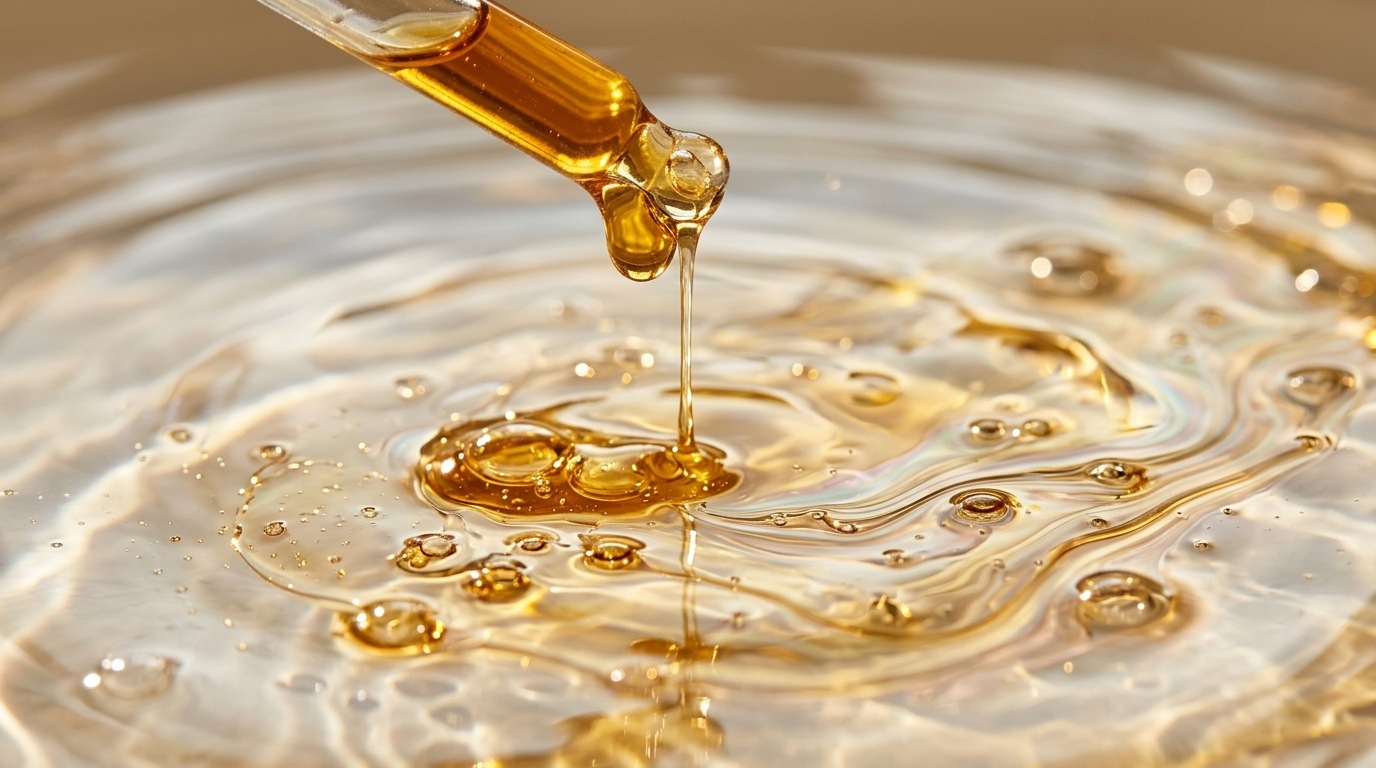
Unlike commercial bath formulas laden with artificial fragrance oils, synthetic surfactants, and chemical emulsifiers, homemade bath oils rely entirely on clean, plant-based lipid matrices that replenish the skin’s natural moisture barrier. Because you control every drop that goes into the bottle, you can tailor your formulations to your personal aromatic preferences and seasonal skincare needs. Whether you prefer an unhurried floral soak before bed or an invigorating citrus blend on quiet weekend mornings, this hands-on craft delivers pure, grounding comfort straight to your bathroom shelf.
Why Liquid Botanical Oils Hydrate Autumn Skin Better Than Foaming Soaks
Most commercial bath products produce copious foam by using harsh sulfates and foaming agents. While foaming bubbles look appealing on social media, they actively dissolve the natural lipids that keep your skin soft and supple. Understanding the mechanical advantages of liquid bath oils reveals why they are superior for cooler weather:
- Occlusive Moisture Locking: As you soak in warm water, your skin absorbs ambient hydration. Liquid plant oils float across the water surface, coating your skin with a micro-thin, protective veil when you step into and out of the tub. This barrier prevents rapid evaporation after drying.
- Zero Soap Residue or Tightness: Foaming soaps can disrupt natural surface pH, leading to seasonal itchiness and flaky patches. Botanical oils contain zero drying detergents, preserving delicate barrier integrity.
- Gentle Aromatic Diffusion: Warm bath steam acts as a natural diffuser for pure botanicals, releasing delicate aromas into the air without the synthetic solvents found in aerosol bathroom sprays. This ritual pairs beautifully with our diy bath tea bags recipe and our calming diy bath salts recipe.
- Cost-Effective Apothecary Quality: A standard 8-ounce bottle of high-end department store bath oil often retails for upwards of $45. Blending your own at home using bulk cold-pressed carrier oils costs roughly $4 to $6 per bottle.
The Non-Greasy Oil Matrix: Carrier Ratios, Vitamin E & Natural Emulsifiers
The primary concern most people have with homemade bath oil is the fear of feeling greasy or leaving an unmanageable film inside the porcelain bathtub. The secret to a silky, fast-absorbing blend lies in balancing lightweight and medium-weight carrier oils:

- Sweet Almond Oil (60% Base): Pressed from raw almond kernels, sweet almond oil is rich in oleic acid and essential fatty acids. It provides deep, lasting slip and softening power while remaining light enough to spread evenly over damp skin.
- Golden Jojoba Oil (40% Balancer): Jojoba is technically a liquid plant wax whose molecular structure closely mimics human sebum. Adding jojoba tempers the richness of almond oil, allowing the mixture to sink in quickly without sticky residue. It also serves as the base for our popular diy body oil recipe and diy cuticle oil recipe.
- Vitamin E Oil (Natural Antioxidant): Adding just half a teaspoon of pure d-alpha-tocopherol (Vitamin E) protects delicate carrier oils from oxidation, extending your blend’s shelf life up to nine months.
- Optional Dispersing Agent (Polysorbate 20 or Turkey Red Oil): If you want your bath oil to turn milky and disperse completely throughout the tub rather than floating on top, add 1 tablespoon of Turkey Red (sulfated castor) oil or plant-derived Polysorbate 20 per 8 ounces of carrier oil.
Choosing the Right Container: Amber Glass Droppers vs Pour Spouts
Selecting the right vessel for your homemade bath oil is both an aesthetic pleasure and a matter of safety in a wet bathroom environment:
- Amber or Cobalt Glass Bottles: Natural plant oils degrade when exposed to ultraviolet light. Storing your formulas in dark amber or cobalt glass protects their aromatic freshness and shelf stability.
- Glass Dropper Pipettes (Best for Precision): A glass dropper cap allows you to measure exactly 1 to 2 dropperfuls (around 1 to 2 tablespoons) directly beneath running tap water, preventing accidental over-pouring.
- Stainless Steel Pour Spouts: A slow-pour liquor spout fitted into a narrow-neck glass flask offers a vintage apothecary silhouette and lets you drizzle oil smoothly without slippery drips running down the bottle neck.
- Safety Note for Tiled Bathrooms: If you have slippery tile floors or young children sharing your bathroom, consider pouring your finished blend into an amber PET recyclable plastic pump bottle to eliminate the risk of broken glass.
Step-by-Step 3-Minute Blending & Bottling Walkthrough
Blending custom bath oil requires zero heat and zero specialized machinery. All you need is a clean measuring beaker, a miniature funnel, and clean glass bottles:

- 1. Sanitize & Dry Equipment: Rinse your glass bottle, beaker, and stainless steel funnel with isopropyl alcohol. Allow them to dry thoroughly on a clean linen towel. Carrier oil formulations contain no water, making them naturally resistant to bacteria, but introducing moisture can cause mold.
- 2. Measure the Carrier Base: In your glass beaker, combine 4.5 ounces of sweet almond oil with 3 ounces of golden jojoba oil.
- 3. Incorporate Vitamin E & Essential Oils: Stir in 1/2 teaspoon of Vitamin E oil along with 20 to 25 drops of your preferred pure essential oil blend (keeping total concentration at a gentle 1% dilution rate).
- 4. Funnel & Cap: Position the mini funnel into the amber bottle mouth, pour the golden oil mixture slowly, and secure the dropper cap tightly. Roll the bottle gently between the palms of your hands for 30 seconds to distribute the botanicals evenly.
3 Seasonal Botanical Formulations for Restful Evenings
Here are three carefully tested, balanced oil formulations designed for an 8-ounce (240 ml) glass bottle:
Formula 1: The Evening Lavender & Chamomile Unwind (Calming & Gentle)
- 4.5 oz (135 ml) Sweet Almond Oil
- 3.0 oz (90 ml) Golden Jojoba Oil
- 1/2 tsp (2.5 ml) Vitamin E Oil
- 14 drops French Lavender (Lavandula angustifolia) Essential Oil
- 8 drops Roman Chamomile (Anthemis nobilis) Essential Oil
- Optional: 1 tsp whole dried chamomile heads or dried lavender buds placed directly inside the bottle for visual botanical warmth.
Formula 2: Autumn Woods & Warm Cedar (Grounding & Earthy)
- 4.5 oz (135 ml) Sweet Almond Oil
- 3.0 oz (90 ml) Golden Jojoba Oil
- 1/2 tsp (2.5 ml) Vitamin E Oil
- 10 drops Atlas Cedarwood Essential Oil
- 8 drops Sweet Orange Essential Oil (Cold-pressed or distilled)
- 4 drops Frankincense Essential Oil
Formula 3: Silky Rose & Calendula Infusion (Ultra-Dry Skin Soother)
- 4.0 oz (120 ml) Sweet Almond Oil
- 2.5 oz (75 ml) Golden Jojoba Oil
- 1.0 oz (30 ml) Rosehip Seed Oil (rich in natural fatty acids)
- 1/2 tsp (2.5 ml) Vitamin E Oil
- 10 drops Geranium Bourbon Essential Oil
- 6 drops Sweet Orange Essential Oil
- A pinch of dried golden calendula petals suspended inside the bottle.
The Drizzle & Soak Ritual: How to Prevent Tub Slipping While Locking in Moisture
To enjoy the full benefits of your bath oil without creating an overly slick tub surface, timing your application makes all the difference:

- Add When the Tub is Nearly Full: Rather than pouring the oil into an empty tub where it sticks to the bottom ceramic surface, drizzle 1 to 2 tablespoons right under the faucet stream during the final two minutes of filling. Agitate the water with your hand to break up droplets.
- The Pre-Soak Massage Technique: Alternatively, massage a tablespoon of bath oil directly onto your arms and legs while your skin is dry, then slide into the warm water. The steam opens pores, allowing the oil to melt in smoothly while minimizing tub residue. This technique pairs wonderfully with our brisk cozy fall shower routine.
- Post-Bath Tub Care: Keep a cotton washcloth or cellulose sponge near the tub. Before stepping out, use warm water and a quick wipe along the waterline to lift any lingering oil residue in under 30 seconds.
- Pat, Don’t Rub: When exiting the bath, gently pat your skin dry with a soft waffle linen towel rather than rubbing vigorously. This leaves a micro-thin layer of nourishing botanical oil on your skin that hydrates throughout the night.
Save This DIY Bath Oil Recipe to Pinterest
Enjoyed making this natural bath oil? Save this recipe card to your DIY Skincare, Bath Rituals, or Natural Living Pinterest board so you have these ratios handy whenever cool autumn evenings call for a restorative soak!
Made a batch of this on Sunday evening after being on my feet all day. The epsom salt and botanical aroma melted away so much tension in 20 minutes flat. Kept a jar on my bathroom counter for quick weeknight resets!
Hi Maya! What size glass jar do you recommend for storing or gifting these herbal bath salts or soaks?
An 8-ounce or 12-ounce wide-mouth mason jar is perfect! It holds about 2 to 3 generous soaks and looks gorgeous tied with a piece of natural jute twine and a sprig of dried lavender or rosemary. Such a thoughtful gift!